Featured
Table of Contents
Visual identity starts with logo design advancement that records brand name personality and works across applications. The execution roadmap equates brand name technique into actionable efforts with timelines, ownership, and success metrics.
Begin by auditing existing brand touchpoints to identify gaps in between existing state and desired brand name experience. Organizations utilizing monday work management can create implementation roadmaps with Gantt charts that imagine dependences and timelines, while Work View helps balance team capability across brand name efforts. produce a simple prioritization matrix with "Impact" on one axis and "Effort" on the other.
Measurement systems track brand name health with time and connect brand investments to company results, allowing data-driven optimization and stakeholder interaction. Effective measurement combines leading signs like awareness and perception with delayed indicators like income and market share. Specify a core set of brand metrics aligned with strategic objectives: Brand awareness and consideration.
Mastering Corporate Reputation for Long-Term Success
Consumer lifetime worth and retention. Share of voice in your market. Establish baseline measurements and set sensible targets based upon market criteria and business goals. Organizations ready to scale their brand marketing efforts can deploy these advanced methods below that drive quantifiable growth through collaborated, cross-functional execution. Each strategy addresses specific growth obstacles while reinforcing overall brand positioning: coordinate brand-building activities throughout awareness, factor to consider, and choice phases to produce seamless consumer journeys that transform awareness into revenue.
Brand marketing measurement has moved beyond periodic studies to always-on visibility through dashboards that connect brand name signals directly to service outcomes.
Modern measurement frameworks close that space by tracking brand name health along with commercial performance. This gives teams a clearer way to prove value, refine investments, and make smarter decisions about where brand name efforts will have the best effect. Metric categoryKey indicatorsMeasurement methodReporting frequency AwarenessAided/unaided awareness, share of voice, branded search volumeSurveys, media monitoring, search analyticsQuarterly studies, month-to-month digital metrics PerceptionBrand attributes, NPS, belief, considerationSurveys, social listening, market researchQuarterly studies, constant social tracking EngagementWebsite metrics, content intake, social engagementWeb analytics, content analytics, social analyticsWeekly or regular monthly Company impactCAC, LTV, conversion rates, retention, revenueCRM, marketing automation, monetary systemsMonthly or quarterly The most important brand metrics balance comprehensiveness with actionability.
like awareness and understanding supply early signals of brand name health changes, making it possible for proactive changes before company impact ends up being evident. like client life time value and market share confirm whether brand name investments equate into company results. Reliable brand dashboards combine metrics from multiple sources into unified views that allow fast assessment and notified decision-making.
Managing Digital Identity in the Age of AI
Groups using monday work management construct personalized control panels with drag-and-drop widgets that show live brand information. Combinations with analytics platforms, marketing automation systems, and CRM platforms produce automated data flows that get rid of manual reporting while providing real-time presence into brand name efficiency. Efficient brand name measurement reveals how brand investment influences real service results.
You can analyze how consumers who identified the brand name before very first contact carry out compared to those who did not, looking at conversion rates, offer size, and retention. This type of analysis makes the effect of brand name activity noticeable and provides clear evidence to support ongoing investment in brand-building.
AI applications also address typical brand management obstacles: maintaining consistency across groups, handling growing asset libraries, monitoring brand name perception in real-time, and predicting brand name performance. Envision the imaginative work your team could accomplish by automating regular brand name compliance checks. AI makes this possible through intelligent automation that deals with regular work while groups concentrate on technique and imagination.
AI-powered analysis analyzes content versus brand standards to recognize inconsistencies before publication, making sure all customer-facing materials align with brand name requirements. takes a look at written material to confirm positioning with brand name voice concepts. examines visual material to confirm appropriate logo design use, color application, and style pattern adherence. These automated checks catch disparities that manual review may miss out on, especially when examining high volumes of material.
Major Benefits of Integrating AI Into PR Strategy
Automation helps bring order by making possessions much easier to find, share, and use properly. Instead of counting on stiff folder structures, teams can locate the best files utilizing intelligent search. Automated version control and rights management ensure everybody is dealing with authorized, up-to-date properties, while notifications alert teams when use rights are ending or new versions are offered.
AI-powered sentiment analysis procedures this information continually, determining patterns, styles, and anomalies that indicate brand name health changes. Organizations utilizing monday work management can even take advantage of AI Blocks to categorize brand name feedback at scale, detect belief in consumer interactions, and sum up intricate information into actionable insights. Digital Workers monitor brand points out across channels and create action products when intervention is required.
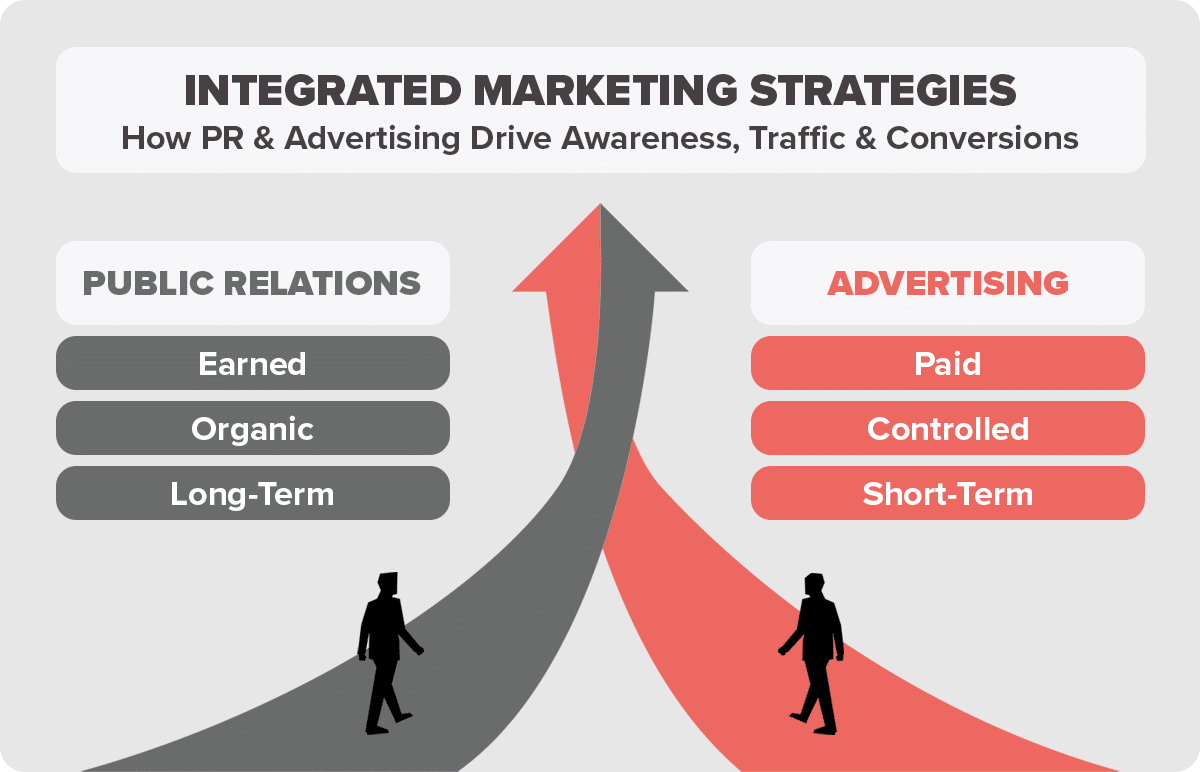
Traditional techniques using spreadsheets, email, and disconnected systems create coordination challenges, version control issues, and visibility gaps that slow execution and compromise brand name consistency. Organizations using monday work management for brand marketing report much faster project execution and improved brand consistency throughout touchpoints. The platform eliminates common pain points: lost files, unclear ownership, missed due dates, and inconsistent approvals.
Campaign boards organize all project aspects in unified views where groups see the complete scope, track progress, identify traffic jams, and coordinate handoffs. When content is all set, distribution groups get notifications.
Top PR Trends to Watch in 2026
The audit path programs who approved what and when, providing responsibility and compliance documentation. Brand marketing requires coordination throughout marketing, creative, sales, product, and executive teams who need different levels of gain access to and various views of brand name initiatives.
use project boards that reveal full initiative information. concentrate on property production boards that focus on style workflows. view top-level control panels that reveal project status and efficiency metrics. Cross-functional exposure guarantees positioning without overwhelming teams with irrelevant details. Real-time efficiency tracking connects brand name activities to results, enabling data-driven optimization and demonstrating ROI to stakeholders.
AI-powered insights analyze efficiency data to determine patterns, abnormalities, and optimization opportunities. The system can flag projects underperforming expectations, highlight content types generating remarkable engagement, or anticipate future performance based upon present trends. Brand name method only works when it leaps off the planning file and starts influencing how everybody in your company talks to clients.

Latest Posts
Benefits of Combining SEO and CRO Strategies
Driving Measurable Success Through Digital Transformation
Is Your Brand Strategy Ready for 2026?