Featured
Table of Contents
Expect what they'll desire to understand and put it in the press release upfront. If the reporter asks a concern you're not prepared to respond to, don't phony it.
It's obvious that news organizations are working on tight margins, with minimized staffing and almost zero fact-checking. The more of their work you can do for them offering simple access to interviewees, online downloadable visuals, quick and trusted fact-checking the more they'll want to deal with you. It's constantly fun to "newsjack" by linking your story to the present cycle (LCI has a terrific example tying National Nurse Week to a royal birth).
If all the reporters in your sector are covering a significant top conference, do not try to pitch them anything else that week. Elections, sports occasions, industry conferences and even significant holidays might be something to prevent, unless you can cleverly discover a way to newsjack them. Producing and preserving successful media relations can be tricky, even for large businesses.
Forbes Management Council Cultivating Media Relationships: It's a ProcessAgility PR The existing state of PR & media relationships 7 methods to create much better ones Media Relations: Everything You Required to Know.
Integrating SEO and Modern Reputation ManagementWe've stated it in the past, and we'll state it once again, there is no one-size-fits-all method when it comes to your media relations campaigns. Each reporter is special and has particular needs and requirements.
The Role of AI in Modern Search
This is an approach we've executed within our and one Eliza Bianco also reiterates. She recommends asking yourself to establish your story. Here are a few she recommends to consider asking yourself: is this story about? and is it happening? is occurring? is it important for individuals to learn about it? A simple practice for ensuring you have each of these elements within your pitch is to write them down and fill in the blanks.
The next action is to determine the right journalists who would cover your news. This is among the most hard parts of media relations and one of the primary reasons we produced OnePitch for public relations professionals. Our unique categorization system helps you concentrate on your pitch and allows us to discover the best reporters based on the keywords and context of your news.
You'll gain insight into the types of sources and brand names they cover but also how the journalist provides them from the publications' point of view. It's also essential to understand who the reporter is and details about their individual self aside from their expert work. Understanding their location can help inform you WHEN to pitch them.
The Future of Global Strategy By 2026
Another point we made in the post, be relationship-oriented. Think of the various methods you can benefit a journalist with information and resources. A great deal of times media relations can seem transactional and seldom does that create a structure for a long-lasting relationship. Ensure to have everything prepared ahead of time for a journalist.
images, quotes, links, and so on) as well as have times available for executives you're pitching for an interview opportunity, as an example. Often times journalists are working on stringent deadlines and don't have a lot of time to wait for the details you're trying to share. By being prepared ahead of time, this guarantees the reporters aren't stuck waiting on you and increases your chances of getting an article placed.

And believe me, when I state, you NEED to be using Twitter to link with reporters. Intros are a terrific way to break the ice with a journalist.
Best Practices for Online Reputation Safety
Introduce yourself, let them learn about your brand, and ask how you can be a resource. Use this as a stepping stone to develop a relationship and pitch them when you have important news to share. Be conscious of the details you're sharing and make sure it's appropriate. This is one of the most challenging strategies to master and it requires time to understand how to provide it, to whom, and when you need to share it.
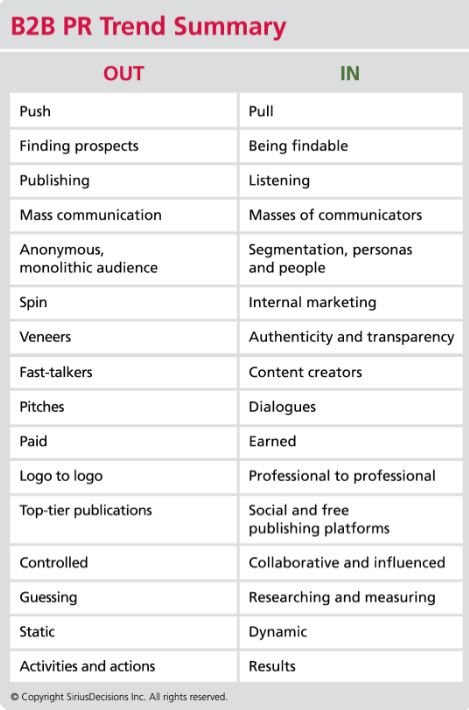
Search for things like the audience type (B2B or B2C) along with what the subject includes. Hardly ever, do journalists compose the exact same short article more than when but this can give you an idea of what they covered and why your business should have to have a post blogged about them.
According to, "Consumers are tuning out ads, both literally and psychologically, and instead consuming content that relates to them and informs a story." The need not only to create material however likewise to market it is ending up being more competitive and the focus is gradually shifting from pay-to-play to made media.
A piece of recommendations shared by media relations expert, Michael Smart, is the 80/20 concept. This means to focus your 80% of your time and attention on the top 20% of your media list. This technique impacts numerous other fields and departments within a company and has proven to garner outcomes for those who implement this effectively.
How AI Is Reshaping Modern Search
It means paid media, made media, shared media, and owned media. By integrating these, Gini says, "When you incorporate the four media types, you might discover you likewise have influencer engagement, partnerships, and reward programs that extend beyond your internal walls." Gini suggests starting with owned media and constructing your strategy from there.
___ No matter what, ensure you supply important information each time you call a journalist. Be a resource for journalists by knowing your story, understanding who they are and what they compose about, and by being prepared. Whether you're just beginning out in media relations or an experienced veteran, all of the strategies we've detailed in will assist direct you from start to finish.
Fill out the type below to register for our newsletter and get emails with the leading blogs from The TypeBar!.
Media relations is all about creating and constructing relationships with journalists and media outlets. Business use media relations to create media coverage that will have a positive effect on their brand name.

Latest Posts
The Future of Brand Strategy for 2026
Building Resilient Brand Authority for the Next Era
Scaling Brand Reputation Within Major City Markets